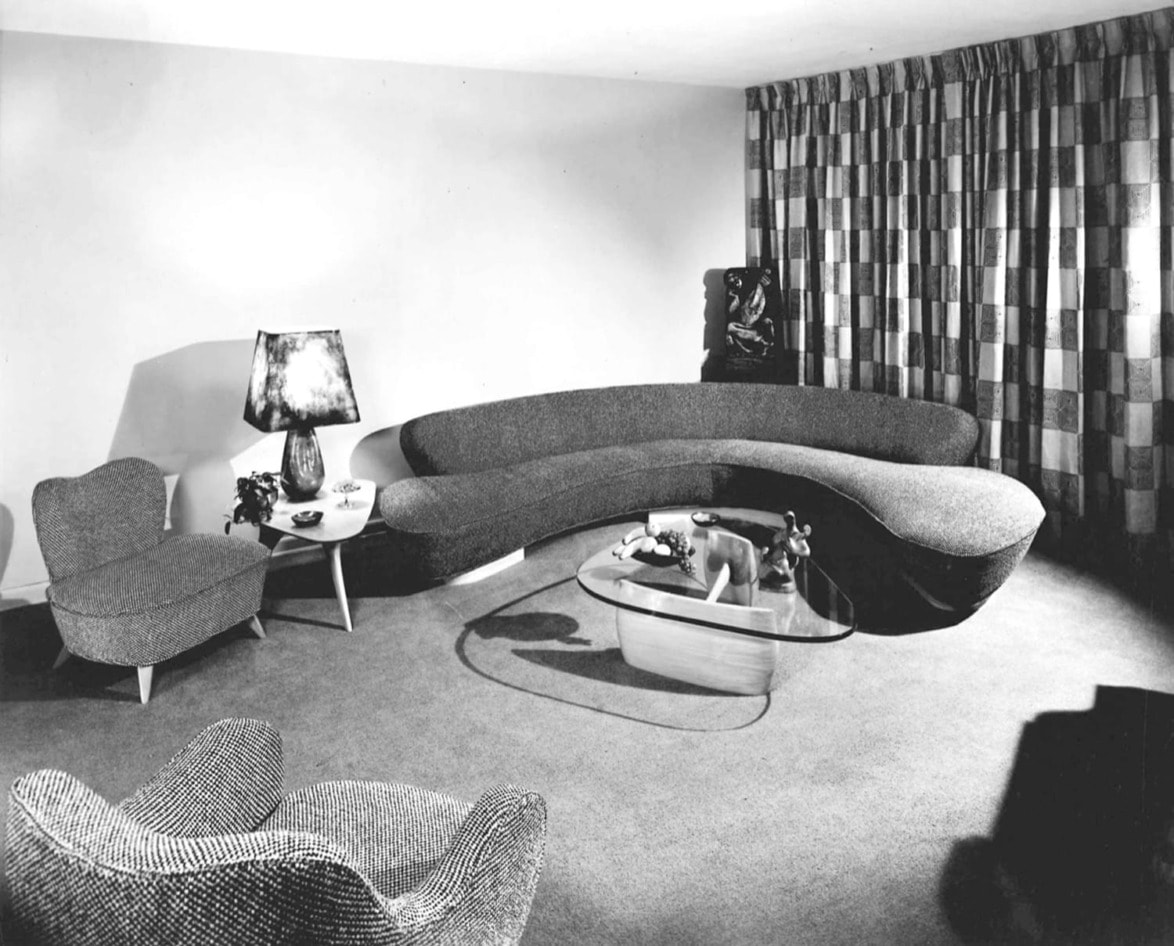
Vladimir Kagan and the Ledger of Design
When discussing modern furniture, much attention is given to aesthetics. We celebrate the finished object and overlook the system that made it possible. The work of Vladimir Kagan is a reminder that design is never an isolated act — and that the built world is created by ecosystems, not individuals. The thing that binds an ecosystem together is a ledger.

When discussing the evolution of modern furniture, much attention is given to aesthetics. We celebrate the finished object — the chair, the table, the sofa, the building. We admire its form, photograph it, exhibit it, and collect it. What is often overlooked is the system that made the object possible.
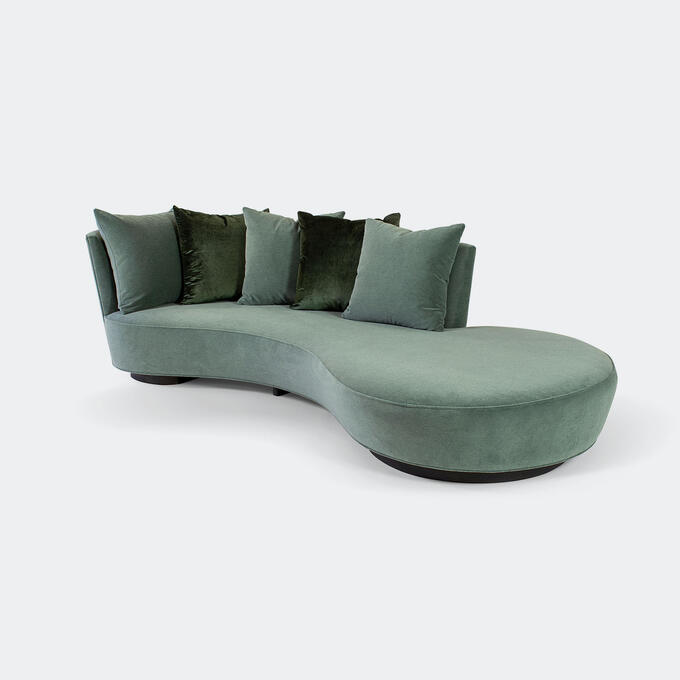
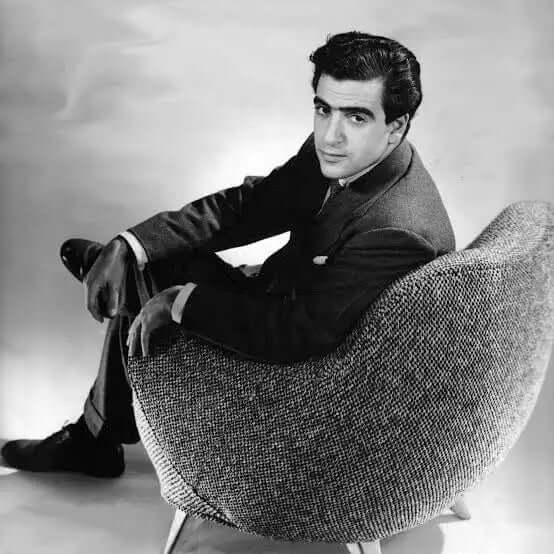
The work of Vladimir Kagan provides an important reminder that design is never an isolated act. Every successful design exists within an ecosystem of ideas, materials, manufacturing techniques, craftsmanship, logistics, and human collaboration. His celebrated curvilinear furniture is a perfect example.
A curve may appear effortless, but it is often one of the most difficult forms to produce. Straight lines are simple. Curves require precision, experimentation, tooling, material knowledge, and manufacturing discipline. The designer may envision the form, but manufacturers, fabricators, suppliers, and craftspeople make the vision possible.
This reality extends far beyond furniture. Every building, neighborhood, bridge, campus, and public space emerges from the interaction of multiple disciplines. Designers generate ideas. Engineers validate performance. Manufacturers produce components. Tradespeople assemble systems. Owners provide resources. Communities provide purpose.
The Built World is not created by individuals. It is created by ecosystems.
Yet our industries often operate as if these relationships are disconnected. Design exists in one silo. Manufacturing exists in another. Construction occupies a third. Ownership and operations occupy a fourth. The result is fragmentation. Knowledge is lost between phases. Lessons learned disappear between projects. Contributors become invisible once construction is complete.
The challenge is not technology. It is continuity.
How do we maintain cohesion across an ecosystem composed of thousands of participants, hundreds of decisions, and decades of change? The answer may lie in one of humanity's oldest tools: the ledger.
Most people associate ledgers with accounting. Historically, however, ledgers served a much broader purpose. They recorded relationships, transactions, responsibilities, ownership, and accountability. They preserved memory.
In design and construction, a ledger performs a similar function. It records who contributed. It records what was specified. It records what was manufactured. It records what was installed. It records what was modified. It records what was preserved. Without these records, projects become disconnected from their own history.
The importance of the ledger becomes even more apparent when examining design innovation. A groundbreaking furniture piece, a pioneering construction technique, or a transformative manufacturing process rarely emerges from a single moment of inspiration. Innovation is cumulative. It builds upon previous experiments, previous failures, previous collaborations, and previous knowledge. The ledger captures that accumulation. It creates continuity between generations of designers, builders, manufacturers, and owners.
This continuity is especially important as the Built World enters a new era defined by artificial intelligence, automation, robotics, advanced manufacturing, digital twins, and smart infrastructure. Technology can accelerate decision-making. It cannot replace institutional memory. Technology can generate possibilities. It cannot automatically preserve context. That responsibility belongs to the record.
The future will increasingly require systems capable of connecting design intent, manufacturing data, construction activity, operational performance, and long-term stewardship into a coherent narrative. In other words, the future requires better ledgers.
The significance of design is therefore larger than aesthetics. A chair is not merely a chair. A building is not merely a building. Each represents a network of relationships that stretches from concept to fabrication to occupancy and beyond.
The most successful ecosystems recognize this reality. They understand that creativity and execution are not opposing forces but complementary ones. Design requires manufacturing. Manufacturing requires materials. Construction requires coordination. Ownership requires stewardship. The ledger binds these activities together. It creates accountability. It creates transparency. It creates continuity. Most importantly, it creates trust.
The enduring lesson found in great design is not simply that beautiful objects can be created. It is that meaningful innovation occurs when ideas, people, materials, and processes operate within a connected ecosystem.
The object may capture our attention. The ecosystem creates the object. And the ledger preserves the story of how it came to be.
Verified in this story
The makers named above, connected to their verified work.