The Substation No One Will See
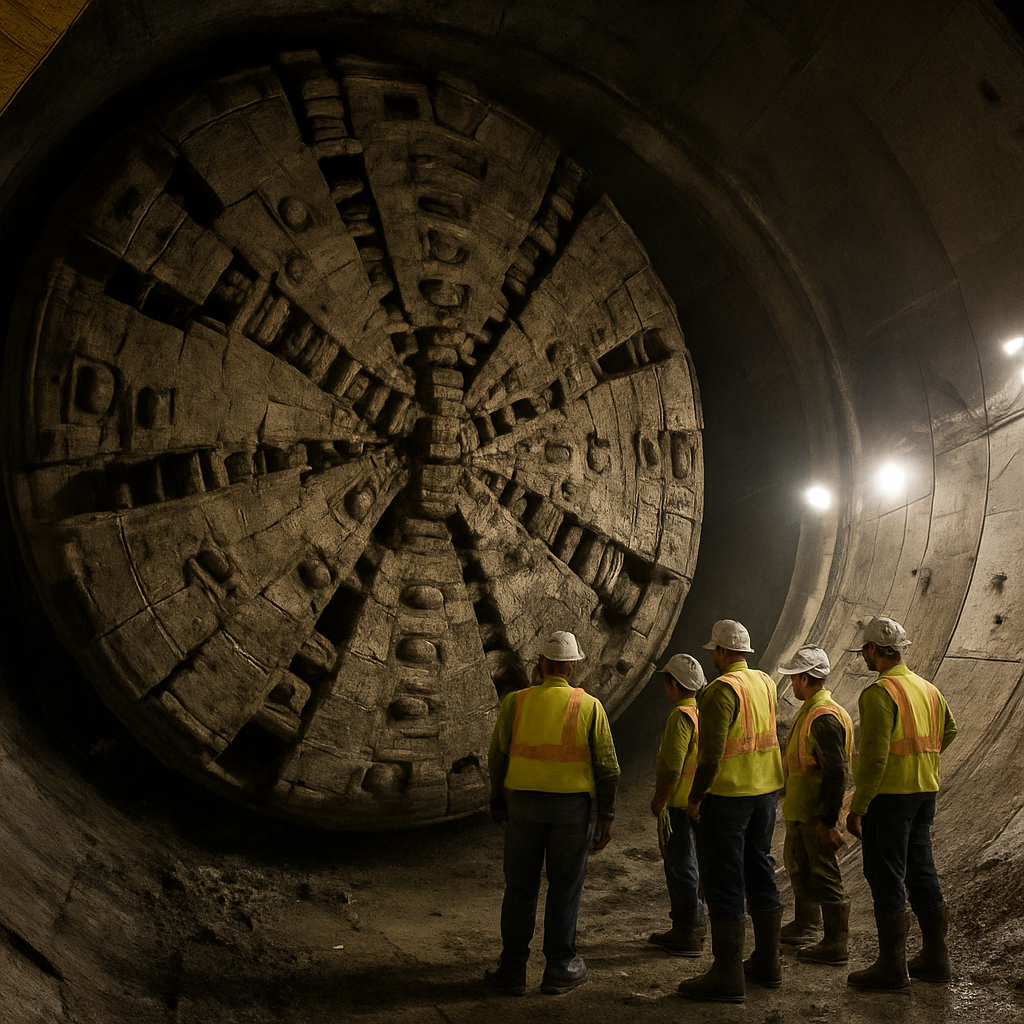
Eversource just broke ground on the only underground substation of its kind in the country — 35,000 square feet, 105 feet beneath a new public park in Kendall Square. The most consequential thing about it is that, when it's done, you won't be able to tell it's there. That is exactly why it needs a record.

In January 2025, Eversource broke ground in Kendall Square on the Greater Cambridge Energy Program — and on something no other utility in the country has built: a substation placed entirely underground. At 35,000 square feet and 105 feet below the surface, it will sit beneath a new public green space between Broadway and Binney Street, on the site of the old Kendall Center Blue Garage, woven into a new life-sciences center. Where there was once a parking garage, there will be a park. And beneath the park, out of sight, the machinery that powers a city.
The numbers around it are the kind that usually make headlines: eight new 115-kilovolt transmission lines running 8.3 miles underground through Cambridge, Somerville, and Boston; upgrades to five existing substations; forty-eight new distribution lines; roughly five hundred jobs; first power expected in 2029, the rest phased in through 2031. The output is meant to carry 100 percent of the city's residential heating electrification and displace half the commercial sector's gas demand. This is the physical spine of decarbonization, and it is being threaded under live streets without turning the city off.
What it means to bury the evidence
Here is the quiet paradox at the heart of this project. The more successful it is, the less anyone will ever know it happened. A substation behind a chain-link fence is at least visible — you can point at it and say, that is where the power comes from. Put it 105 feet underground beneath a lawn, and the single largest piece of energy infrastructure in the neighborhood becomes completely invisible. The success condition of the design is its own disappearance.
When the most important thing you built is the thing no one can see, the record is the only proof it exists. Concrete forgets. A ledger does not.
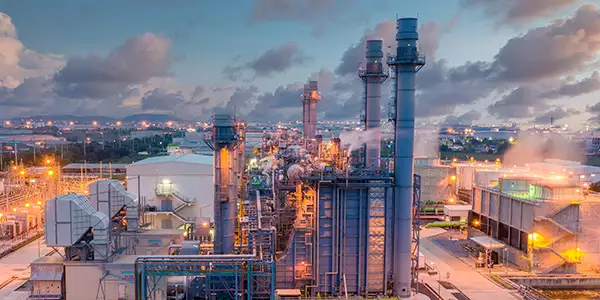
Think about who will need to know what is down there, and for how long. The crews who pour the walls and pull the cable in 2027. The inspectors who sign off before energization in 2029. The maintenance teams in 2045 who were children when it was built. The next generation of engineers who will tie new clean-energy sources into it long after everyone who designed it has retired. Every one of them inherits a structure they cannot walk up to and examine. They inherit, instead, whatever record was kept while it was being built.
A chain of four, under one street
What made this possible was not a single company. It was a chain: Eversource for the energy, BXP for the below-grade space inside its development, the Cambridge Redevelopment Authority leveraging the value of Kendall Square's development rights, and the City of Cambridge holding the public interest. A parking garage became utility infrastructure, lab space, and open park at once — because four parties agreed to one plan and held to it. That is provenance in the real world before it is ever a feature in software: who agreed to what, who built which part, who is accountable when the lights are supposed to come on in 2029.
Eversource calls this first-of-its-kind. They are right, and not only in the engineering. It is also a first-of-its-kind test of memory: we are about to bury a generation of craft under a lawn and ask the future to trust that it was done correctly. The honest answer to that trust is not a press release. It is a record — attested by the people who were there, kept where no one can quietly edit it, and readable long after the cranes are gone and the grass has grown over the place where they stood.
Editorial placeholder
This is Propreti's own commentary, featuring the public work of Eversource. It is not an endorsement, partnership, or chain-verified record. This space is reserved for Eversource to author — or commission — its own story here.