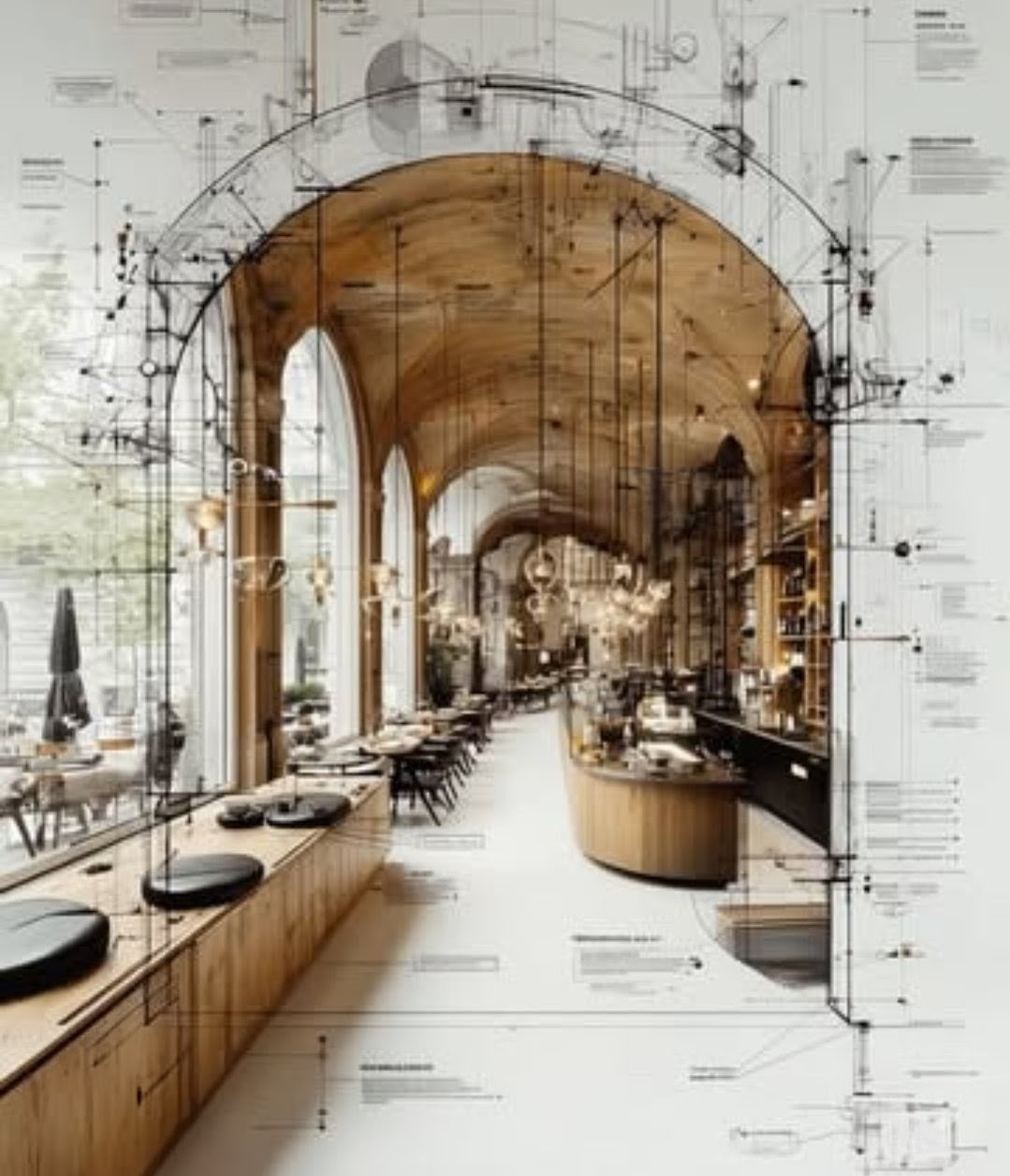
The Drawing That Renders Itself
For five centuries, the drawing came first and the building followed. AI-native CAD collapses that order — the render and the line are now the same act, generated together, argued over in real time. What it means for design is not that the draftsman disappears, but that the drawing finally stops being a promise and starts being a living record of how a space was reasoned into existence.

Look closely at the image above and you cannot say where the drawing ends and the room begins. A barrel-vaulted café sits half-rendered in warm timber and half-dissolved into a lattice of dimension lines, callouts, and annotation tags floating in white space. That is not a stylistic flourish. It is a fairly literal picture of what AI-native CAD now does: it generates the photoreal render and the technical line-work in the same breath, from the same intent, instead of treating the beautiful picture and the buildable drawing as two separate jobs done weeks apart.
For five hundred years the order was fixed. A designer drew, the drawing was a promise, and the building chased that promise — usually losing fidelity at every handoff. AI flips the sequence. You describe a constraint, a mood, a span, an airport height-cap, and the system returns dozens of resolved options, each one already carrying its own structural logic and its own annotation. The render is no longer a marketing afterthought of the drawing. The render IS the drawing, and both are arguments you can interrogate.
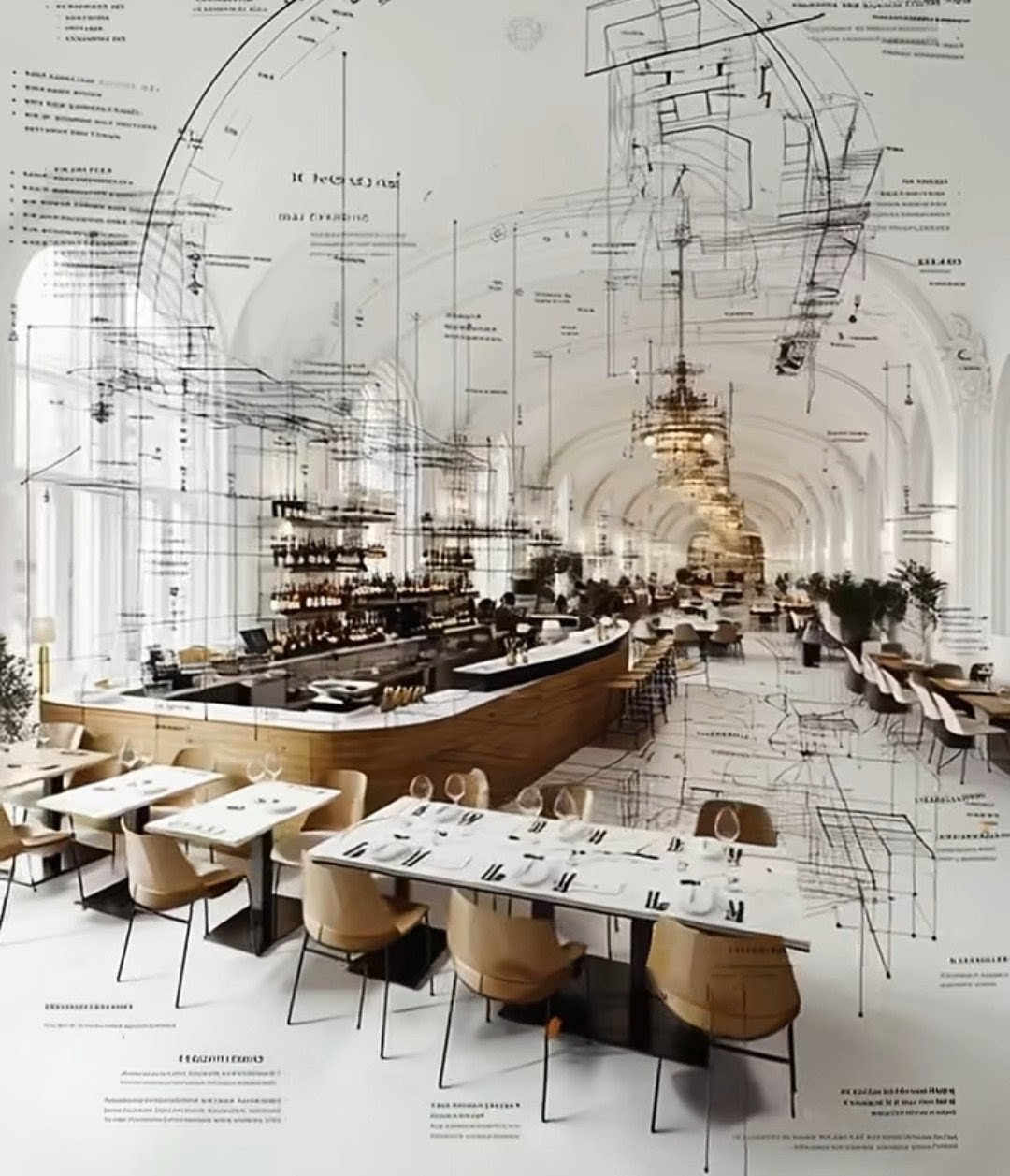
The fear is that AI CAD replaces the designer. The likelier truth is that it removes the part of design that was never design — the redrawing, the coordination, the lost telephone game between picture and proof.
What does this mean for the design world? Three things. Speed of iteration becomes free, so taste — knowing which of the forty options is right — becomes the scarce, valuable skill. Documentation stops being a chore performed after the decision and becomes a transcript generated alongside it. And authorship comes under pressure: when a model proposes the vault, who designed it? That is the question the discipline has to answer honestly.
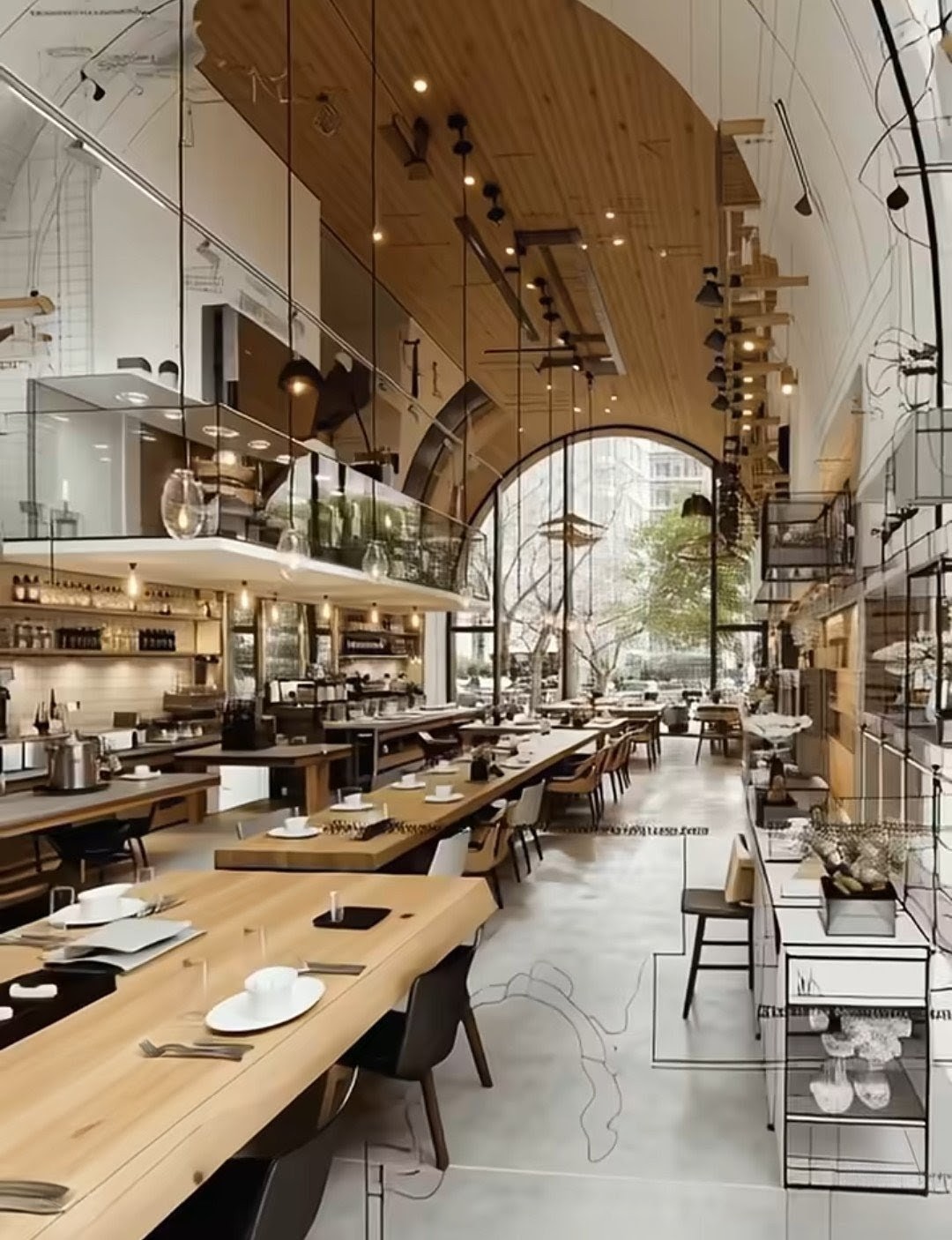
Propreti's answer is the one we apply to everything: keep the record. An AI can render a vault in a second, but it cannot tell you who stood behind the choice, who built it, and whether it ever became real. The drawing that renders itself still needs a human to author the collapse — to say this one, here, signed. The machine makes the lines. The chain remembers whose they were.
Verified in this story
The makers named above, connected to their verified work.