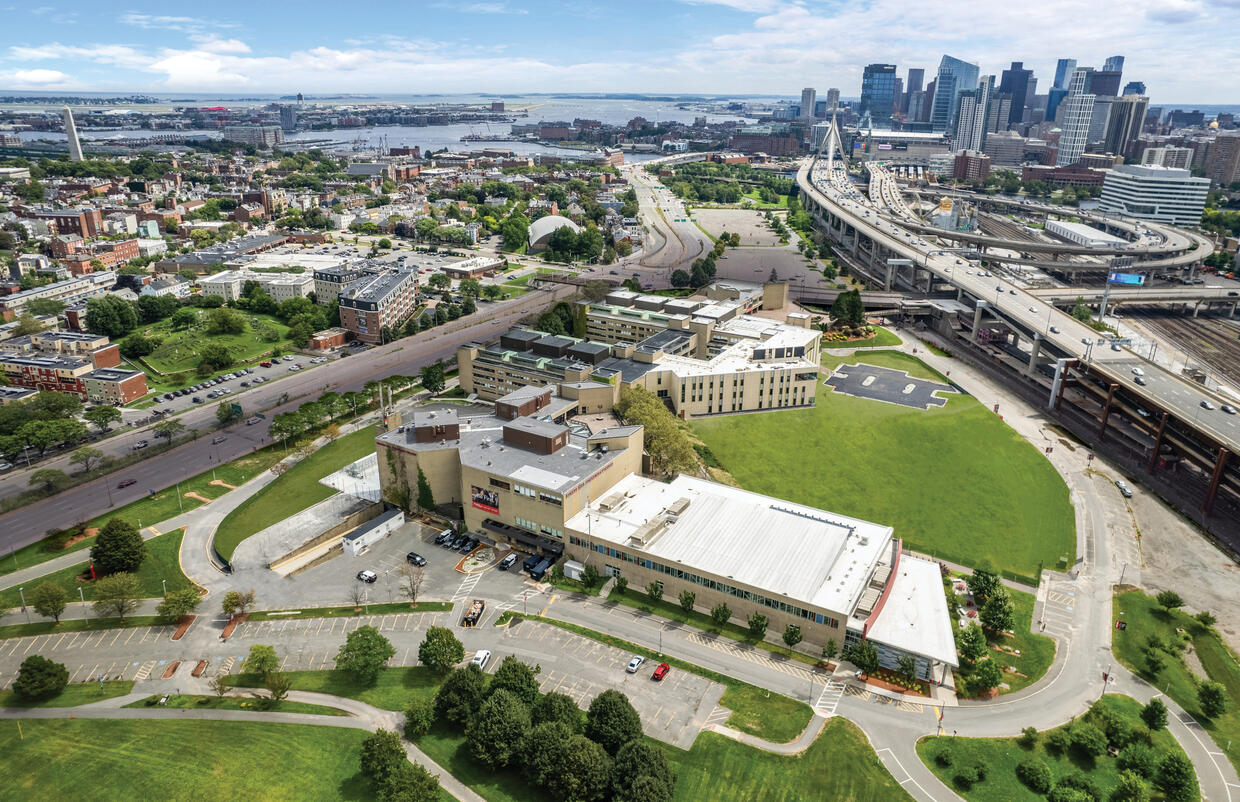
The $172 Million Bet on Bunker Hill
A developer, a capital group, and the City of Boston just put $172 million behind one nine-story building in Charlestown — a phase of a decade-long promise to rebuild New England's oldest public housing without erasing the people who live there. That promise is exactly what a record is for.

In April 2026, a development partnership of Leggat McCall Properties, the Joseph J. Corcoran Company, and the City of Boston closed on $172 million for the next phase of the Bunker Hill redevelopment in Charlestown. The structure of that money is the whole story: Cottonwood Group provided $122 million in construction financing, and Boston's city-supported Housing Accelerator Fund contributed $50 million in equity. Debt and public equity, side by side, betting on one building.
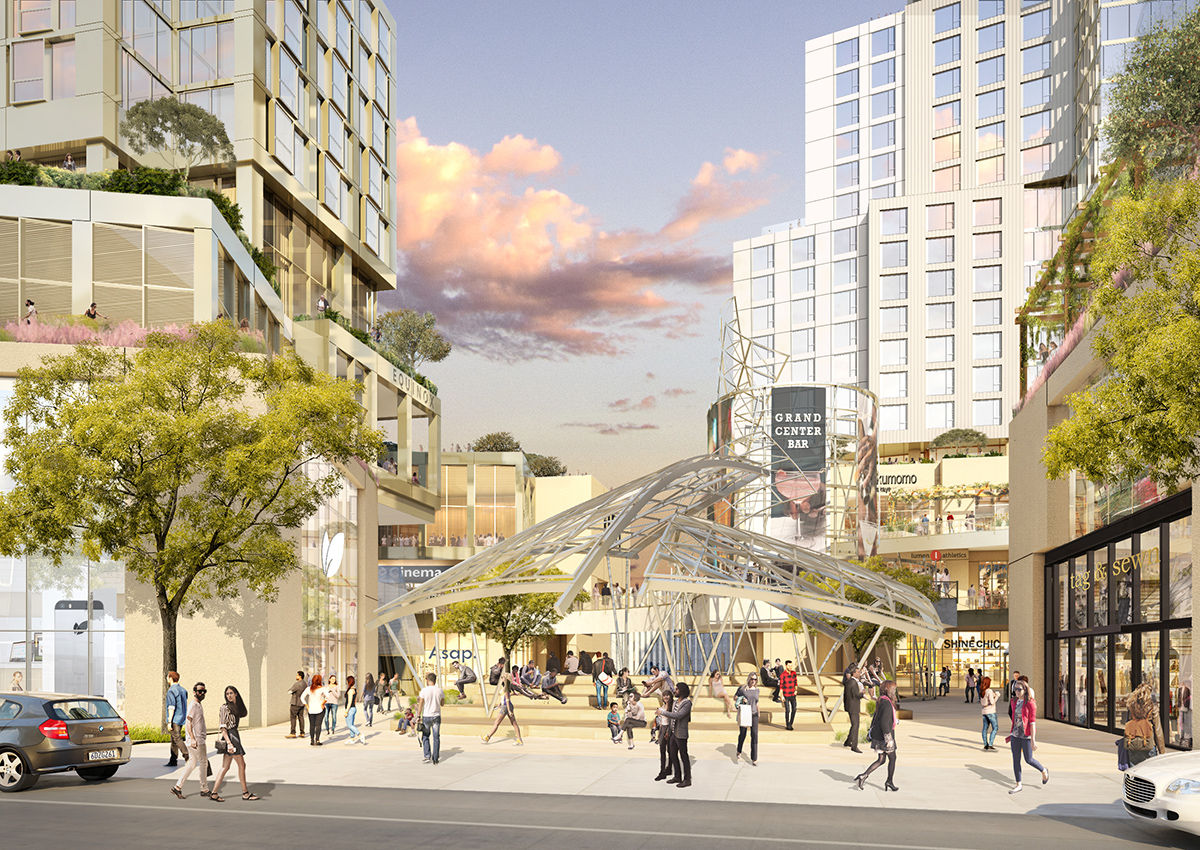
That building is Building F, at 55 Bunker Hill Street — nine stories, 266 units of mixed-income housing. Its interior and exterior wall systems are to be prefabricated off-site, a construction bet of its own that could compress the schedule to roughly eighteen months. It is one piece of a redevelopment that, over the next decade, is expected to deliver around 2,700 mixed-income units, fifteen buildings certified to Passive House standards, more than a thousand affordable homes, a community center, and seven acres of open space.
What the money is actually betting on
A construction loan and an equity contribution are not bets on concrete. They are bets on a future. Cottonwood's $122 million assumes Building F gets built, leased, and performs. The Housing Accelerator Fund's $50 million assumes something harder to measure — that the public purpose holds: that the affordable units are real, that the mixed-income community materializes, that the promise made to the neighborhood is the promise that gets delivered. Both are wagers on an outcome that, today, no neutral party is positioned to confirm years from now.
Every dollar of that $172 million is underwriting a claim about the future. The only thing that can settle the claim, when the scaffolding comes down, is a record of what was actually built — and for whom.
The oldest record on the site is the residents
The 27-acre complex opened in 1940 as the largest public housing project in all of New England. Over the decades much of it fell into disrepair, and in 2018 Leggat McCall and the Corcoran Company agreed to redevelop it — in partnership not only with the Boston Housing Authority, but with the Charlestown Resident Alliance, the local tenant organization. That last name matters more than any lender's. A redevelopment of public housing is judged, in the end, by a single question: were the existing residents kept whole, or quietly displaced? The first phase, Stellata, delivered 102 units in January 2025. The decade ahead will be measured against the people who were already home.
This is where value capture stops being an abstraction. The capital betting on Bunker Hill is betting that renewal and continuity can happen at once — that you can rebuild the buildings without evicting the community. It is an honorable bet and a fragile one, and the history of American urban renewal is littered with versions of it that went the other way. The difference between a promise kept and a promise broken is, almost always, whether anyone was keeping an honest record while it happened.
Propreti does not finance buildings and it does not build them. What it can do is hold the four parties at this table — the developer, the capital, the city, and the residents — to one record that none of them can quietly edit later. That is the difference between a deal and a deal you can trust. The bet on Bunker Hill is enormous, public, and watched. It is exactly the kind of promise that deserves a record that cannot be faked.