Art, Design, Provenance, and the Built Environment
A lounge chair, a painting, a museum, a city — all begin in the same place: human imagination. Art asks what could exist, design asks how it should exist, construction asks whether it can. The built environment is humanity's largest collaborative artwork, and provenance is how it finally remembers the people who made it.

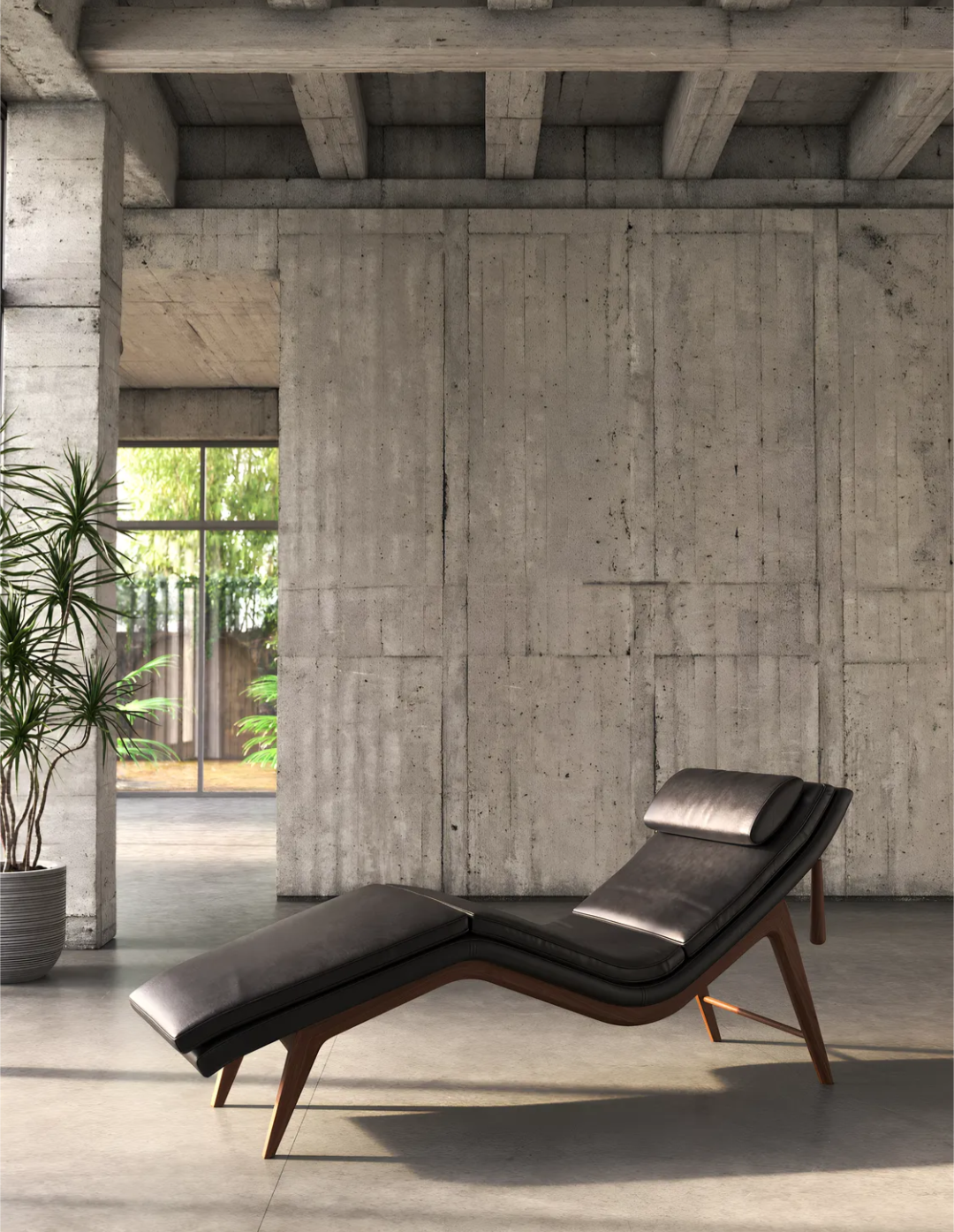
A lounge chair sits quietly within a room of concrete, glass, wood, and light. Most people see furniture. Others see design. A collector may see craftsmanship. An architect may see proportion. Yet hidden within that single object is the story of human civilization itself.
Before the chair existed, it was an idea. Someone imagined how the human body might rest, gather, think, or dream. That act of imagination was art. A designer translated that vision into form, material, and proportion. Craftspeople, manufacturers, and builders transformed the design into physical reality. The chair emerged from the intersection of imagination, design, and labor.
This process is not unique to furniture. It is the process through which all human creations emerge. A painting, a sculpture, a chair, a house, a museum, and an entire city all begin in the same place: human imagination.
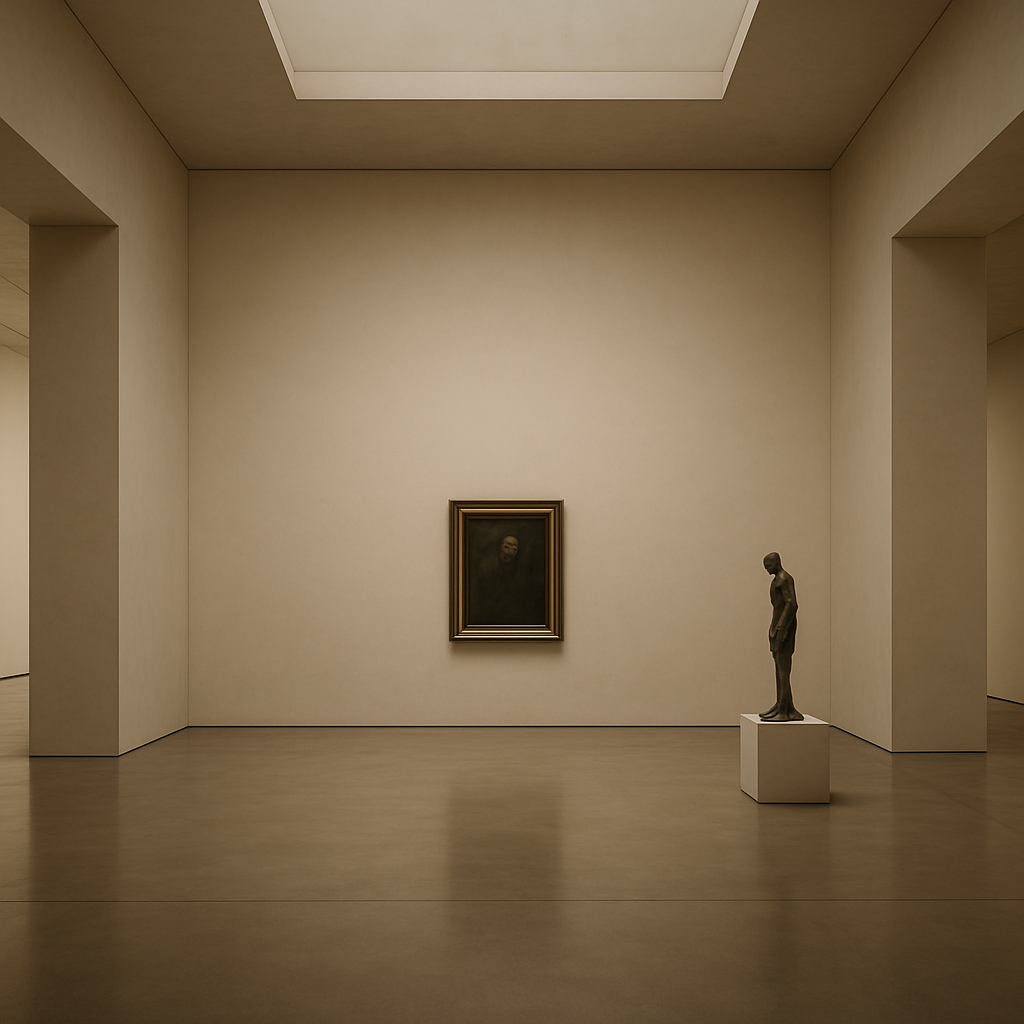
The distinction between art and the built environment is therefore more artificial than real. Consider a painting hanging in one of the largest museums in a city. Visitors arrive to admire the artist's work. Yet before the painting can be experienced, an entire world must already exist around it. The painting requires a wall. The wall requires a building. The building requires floors, ceilings, foundations, windows, doors, and mechanical systems. Outside, it requires sidewalks, landscapes, yards, streets, utilities, and public infrastructure. The artwork depends upon architecture, engineering, construction, and countless tradespeople whose names may never appear beside the exhibit.
This is where provenance enters the story. A record tells us that something exists. A ledger connects that record to people, places, events, and time. Provenance is the accumulated history created by those records and relationships. It answers questions such as: Who created this? Who owned it? Who built it? Who exhibited it? Who wrote about it? How did it change over time?
The art world has long understood the value of provenance. The history of a painting may include collectors, exhibitions, restorations, publications, and museums. Each record contributes to a larger biography. Yet the built environment rarely preserves this same depth of memory. Buildings are bought and sold, but the stories of their designers, builders, craftsmen, and tradespeople often disappear.
The built environment is humanity's largest collaborative artwork. Every building, neighborhood, and city represents the combined efforts of artists, designers, engineers, builders, laborers, owners, and communities. Every wall contains decisions. Every floor contains labor. Every yard contains intention. Every structure contains memory.
Art does not disappear when construction begins. It becomes embodied in matter. Likewise, construction does not end when a building is completed. The building enters history, accumulating records, relationships, and meaning over time.
Ultimately, civilization itself may be understood as a vast ledger of human creativity. Art creates the first mark. Design gives that mark form. Construction gives it permanence. Records preserve its existence. Provenance preserves its story.
Verified in this story
The makers named above, connected to their verified work.